• Home

  • Attachments

  • Technology

  • Manufacturing

  • News & Media

  • About Us

  • Contact Us

<

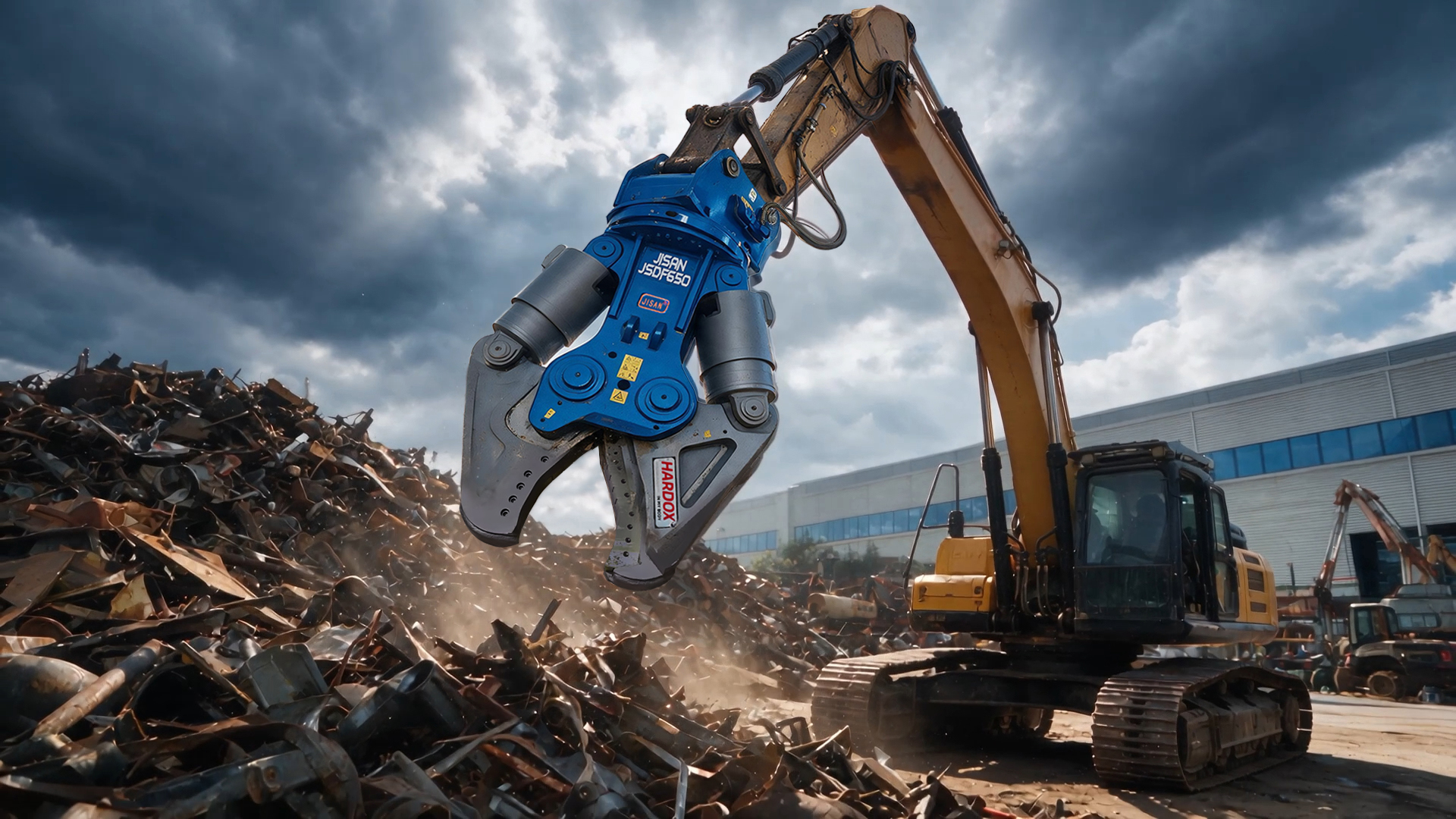
UNLEASH THE FORCE

Witness the raw power of our demolition attachments.

Engineered to dominate the world's toughest job sites.

BRAND STRENGTH
50+
Export Countries
40+
Professtional Engineers
53000㎡
Manufacturing Plant
10Min
Rapid Response
31years
Industry Expertise
101+
Intellectual Properties
20000+
Annual Output
24Mos
Warranty Plicy

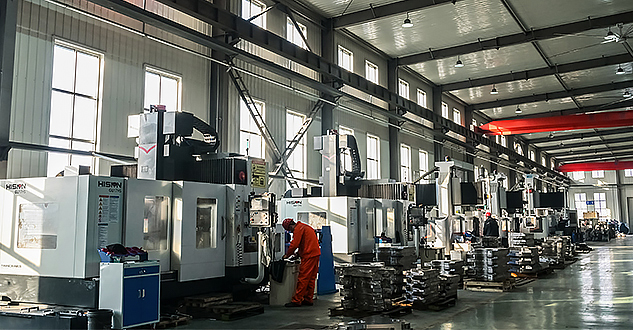
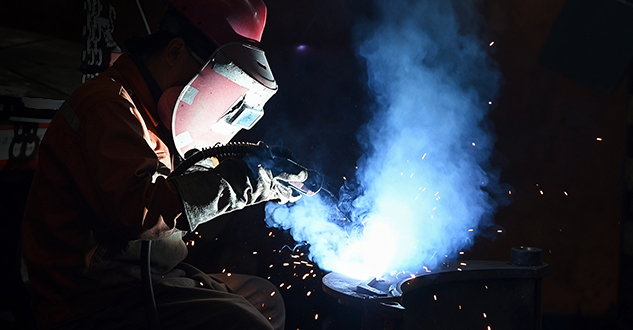
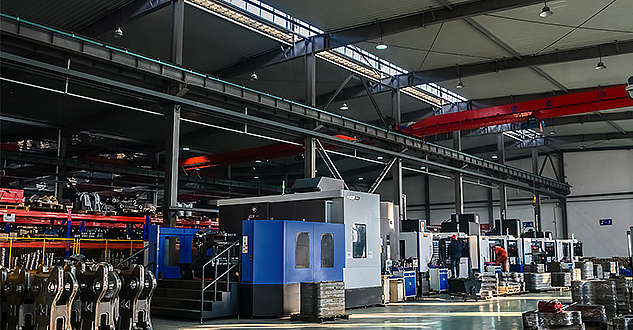
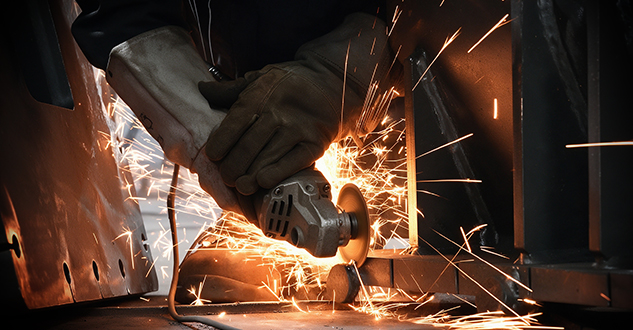
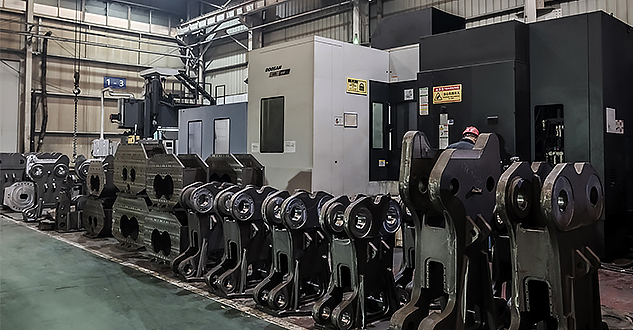
PRECISION IN EVERY DETAIL

Where Advanced Automation Meets Masterful Craftsmanship.

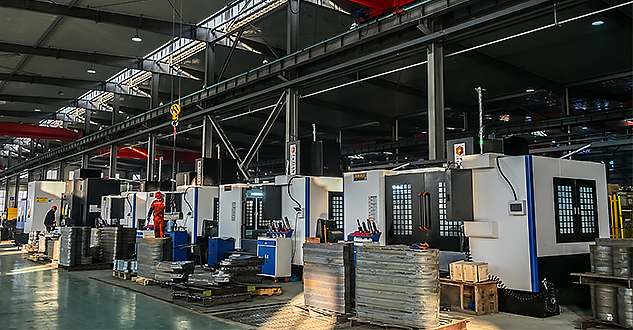
World-Class Equipment, Uncompromising Precision.

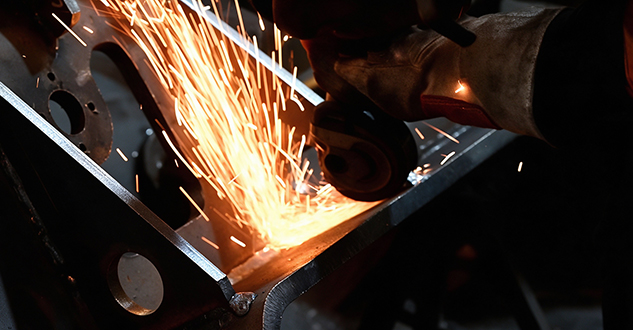
Rigorous Quality Control at Every Single Step.

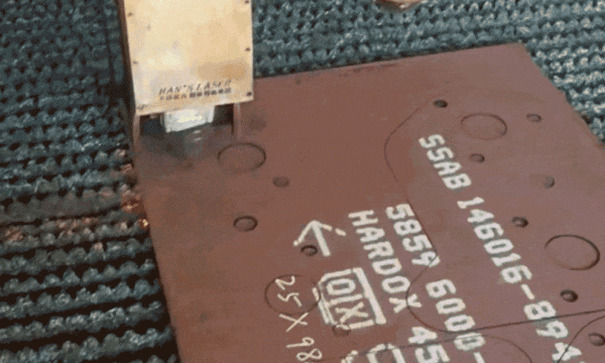
German TRUMPF
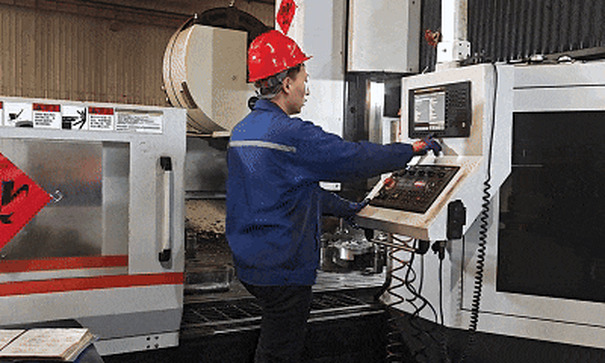
Laser Cutting

±0.01mm

Machining Accuracy

FLAGSHIP PRODUCTS
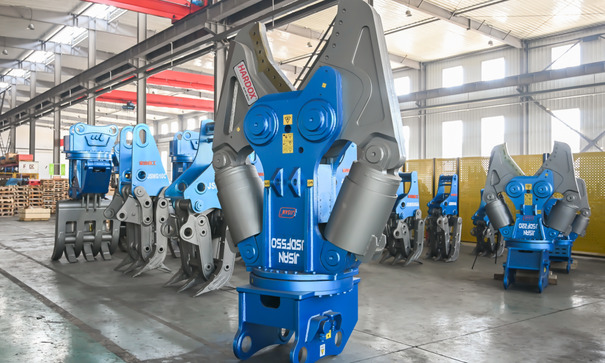
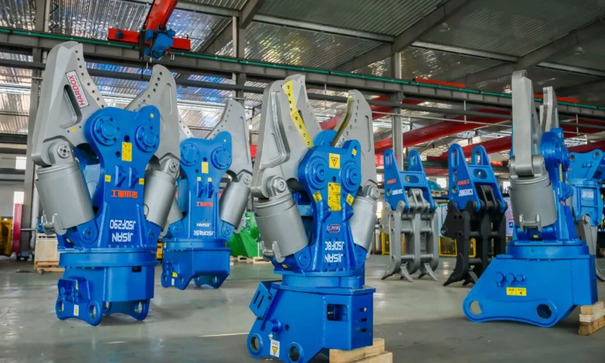
Powerful Shear
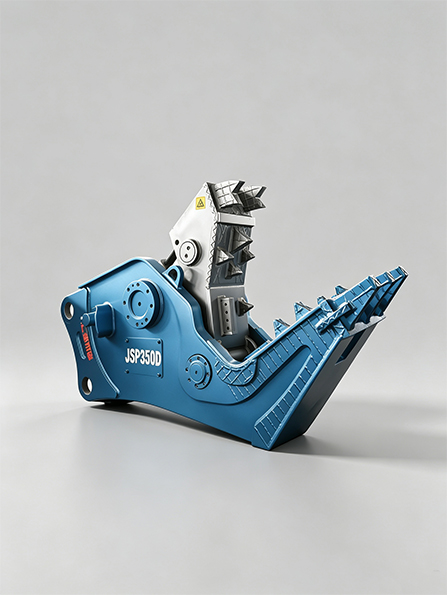
Eagle Shear-Hardox
Concrete Crusher
Hydraulic Pulverizer
ENGINEERED
FOR EXTREMES
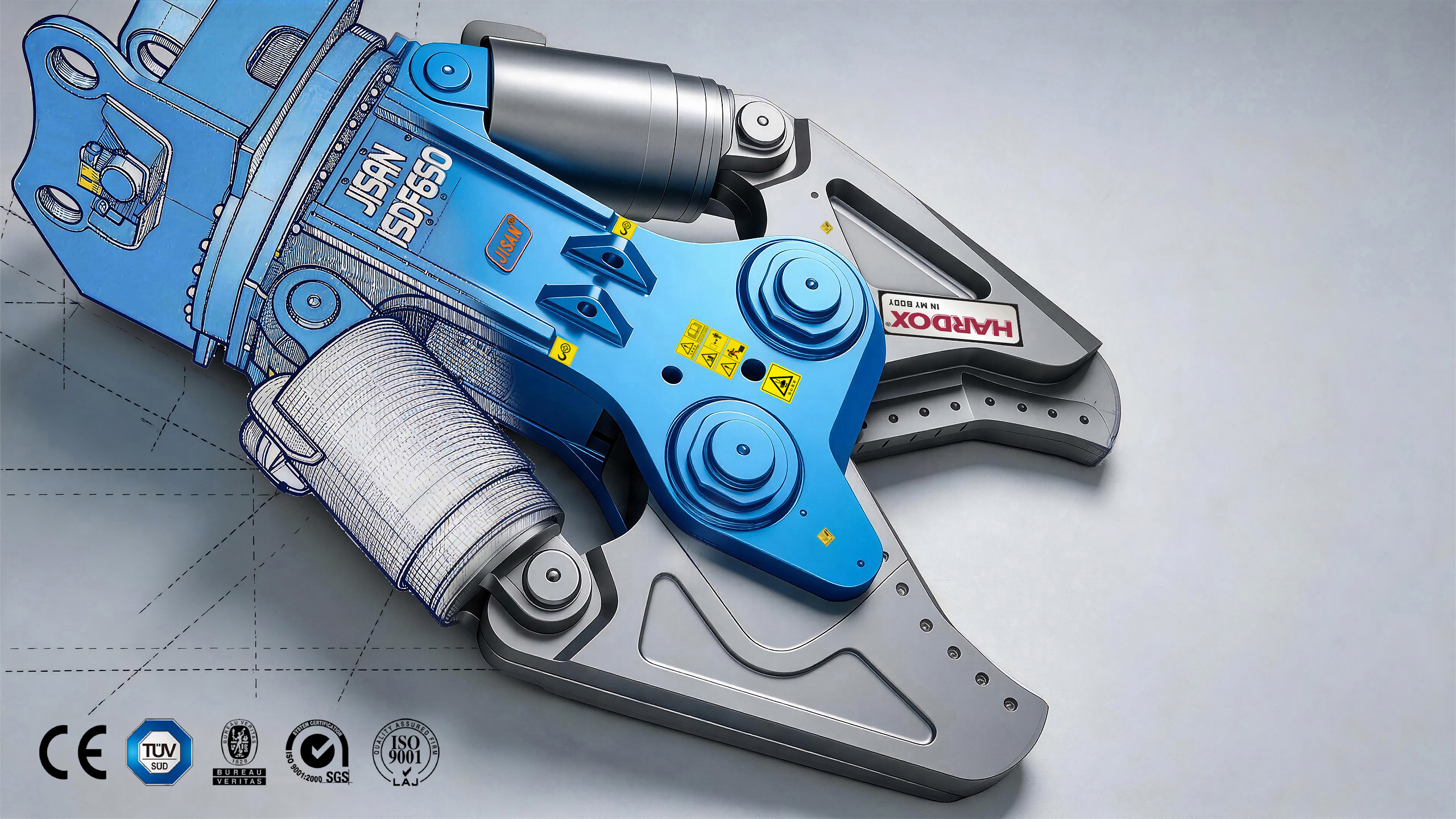
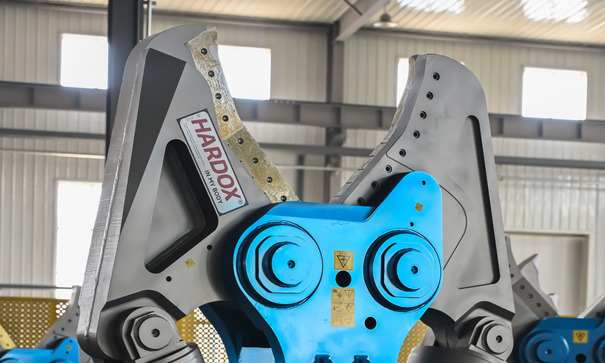
Swedish SSAB Hardox® Steel
3-4x Longer Service Life
101+ Patents
Finish/Swiss Hydraulic Motors
NEWS & MEDIA

Two shears, one quotation sheet, three years apart A buyer comparing dual-cylinder shears is usually shown two machines in the same size class, at a similar price, both described as Hardox. Three years later one is still cutting to tolerance and the other has been rebuilt twice. Nothing on the quotation sheet explains the difference, but six things on the machine do — and all six can be checked before the order is placed rather than after the first crack. 1. Plate that can be traced to the mill JISAN builds shear jaws and blades from genuine SSAB Hardox plate, and the company has held the Hardox authorization for six consecutive years — it is issued against annual purchase volume, not against a request. Every shear, eagle shear and car dismantling tool carries the Hardox mark with a QR code that resolves to the plate, which matters because counterfeit "Hardox" is common in this trade and a workshop with a stencil can produce a convincing copy of the sticker. Ask to see the plate marking itself, not the certificate. HARDOX 400, 450 and 500 look different under the same light once you know what you are looking at. 2. One piece of steel, not a welded splice Most shears in this class are cut in sections and welded together. The weld is a stress concentration and a heat-affected zone in the same place, and it is where a frame eventually cracks. JISAN welds the body first and then machines it as one piece on a gantry machining centre, so there is no splice in the load path and the bores on both sides stay concentric. This is also why the shear does not "split" — the failure mode where the two halves drift out of alignment and the blades start to ride over each other instead of cutting. 3. A blade gap measured in hundredths of a millimetre The gap between the two blade bodies on a JISAN shear is 0.05 mm, and a correctly assembled unit will cut a sheet of A4 paper without any shim being added. That sounds like a parlour trick. It is not: a shear that needs shims at delivery will need re-shimming in the yard, and every re-shim is a day of production plus a question about what else was out of tolerance. The same standard runs across the range, from units for 3 to 5 tonne carriers up to the 60 to 80 tonne class. Small machines are not built to a looser tolerance; they are built to the same one. 4. The components you cannot see in a photograph Four items decide how a shear behaves after the first thousand hours: • Rotation motor. JISAN fits a Swiss-made plunger motor for the 360 degree rotation. It holds position under load, which is what "accurate positioning" actually means when you are cutting a hull plate in sequence. • Cylinder tube. Honed, not just bored. The surface finish is what the seal runs against. • Seals. Imported NOK. A seal is a cheap part that costs a shift. • Synchronising linkage. Twin cylinders with a linkage that keeps both jaws square to the load, rather than letting one side lead. 5. Protection for the part that breaks first Cylinder rods are the most exposed component on a shear. They sit where the material being cut can reach them, and a scored rod takes the seal with it. JISAN builds a guard over the rod area — a detail that costs almost nothing at the factory and prevents the most common unscheduled stop in a yard. 6. What happens in year two Durability decides whether the machine still cuts. Service decides whether it cuts this week. JISAN runs a 24 hour, 365 day service line on the "1030824" rule: 10 minutes to acknowledge, 30 minutes to a proposed solution, 8 hours to dispatch a warranty part, 24 hours to put an engineer on site for a problem that cannot be solved remotely. For a yard running a single primary shear, that fourth number is the one that matters. A shear waiting for a blade bolt is not a shear. How to use this list If you are comparing two quotations, ask for six things in writing: the plate grade and its mill marking, whether the body is machined as one piece or welded from sections, the blade gap and whether the unit is shim-free at delivery, the make of the rotation motor and the seals, whether the cylinder rods are guarded, and the warranty terms with the response times that go with them. A supplier who answers all six is selling a machine. A supplier who answers three is selling a price. Comparing shears for a yard? Send the carrier model, the material mix and the section thickness you cut most often, and we will send the six answers for the size class that fits, in writing, before you decide.

Six Checks That Tell a Good Shear From a Cheap One

Nov.21.2026

Four numbers and what they are for JISAN‘s service standard is written as "1030824": ten minutes to acknowledge a request, thirty minutes to propose a solution, eight hours to dispatch a warranty part, twenty-four hours to put an engineer on site when the problem cannot be solved remotely. It reads like a slogan until you notice what each number is measuring. The first two are about information. Most attachment problems begin as an argument about what the problem is — a seal, a valve setting, a bent bracket or an operator technique — and the yard loses days while that argument travels between the operator, the dealer and the factory. Ten minutes to answer and thirty to propose a solution turns a week into an afternoon. The third number is about parts, and parts are where the arithmetic sits. A shear waiting on a blade bolt is not a shear. Eight hours to dispatch is a commitment about stock, not about courier speed: it only holds if the part was on the shelf before the call came in, which is why wear parts are held by serial number rather than made to order. The fourth number is the expensive one, and the one most suppliers leave out. The team behind the clock Ten engineers, all with at least three years on excavator carrier service and five years installing attachments. That combination matters more than the headcount: a fitter who has only ever bolted attachments onto machines tends to blame the attachment, and a carrier technician who has never set a blade gap tends to blame the machine. The engineer who has done both diagnoses it in one visit. Coverage inside China runs across seven regions — east, central, south, north, southwest, northwest and northeast — which is what makes a 24-hour arrival physically possible on a domestic job. What the promise does not cover, stated plainly The 24-hour number is a domestic commitment. No factory in Yantai can put an engineer on a carrier in Chile in a day, and any supplier who claims otherwise is either flying someone at a loss or planning not to be called. For export orders the same clock runs on the parts a factory can control: acknowledgment and diagnosis inside the same ten and thirty minutes, because those travel by message rather than by aircraft, and parts dispatched from stock against the serial number. Beyond that, response depends on the distributor‘s own stock and on the service model agreed with the order — which is why we set it in writing at the quotation stage rather than at the first breakdown. Service starts before delivery, not after it Three things happen around a delivery that decide how the rest of the ownership goes: • Training, to a plan. Before handover the engineer agrees what the operators need — how to run it, how to maintain it, what to do when a hose bursts — and delivers that as a schedule rather than as a demonstration. Training that is improvised on the day is remembered for a week. • Commissioning under load. The attachment is set to the carrier‘s measured flow and pressure, run on real material, and the settings are recorded. A shear delivered at the factory‘s default pressure works, and works worse than it should. • A named group, within three working days. On the sales side, the person who closed the order opens a service group with the customer, the engineer and the parts contact, within three working days of the agreement — with the machine‘s serial number, the attachment model and the contacts in it. The point is that nobody has to explain their problem twice to a stranger at 2 a.m. Why this is in the news section and not the brochure Because it is the part of the business that gets tested every week, and the test results are not always flattering. The clock exists so that a customer can hold us to something specific rather than to a promise of "good service". If a response runs past thirty minutes, that is a fact with a number attached, not a matter of opinion. Warranty on JISAN dual-cylinder shears runs two years, grabs one year, with a one-month automatic extension at the end of the term. The service clock runs for the life of the machine, including the years after the warranty has finished — which is when most yards actually need it. Running attachments and tired of chasing answers? Send the machine model, the attachment serial number and a photograph of the problem. You will get an answer with a name and a time on it.


What a 24-Hour Promise Actually Covers, and Where It Stops

Nov.21.2026

A new carrier, a three-day window, and one order In spring 2025 a customer brought a newly purchased Caterpillar 313 to the JISAN test yard in Yantai. He had ordered a complete dismantling package — the car dismantling tool, the car press frame and a quick coupler — and wanted it installed, commissioned and shipped inside three days, because the yard it was going to was already taking vehicles. The package was the 200 compact dismantling tool with a 15S single-acting press frame and a JISAN 06 quick coupler. The 200 is specified for 12 to 25 tonne carriers, weighs 940 kg and opens to 750 mm, which covers passenger cars, vans, light trucks, cabs and body shells — the material that makes up most of what a depolluted vehicle becomes. Why the install happens at the factory Fitting a dismantling tool is welding, plumbing and alignment, and none of it is easier in a customer‘s yard. Doing it at JISAN before shipment means: • The bracket is welded to the coupler on a jig, not to a machine sitting on gravel. • The hydraulic circuit is plumbed, pressure-set and leak-tested against the carrier‘s actual flow and pressure, measured on the machine rather than taken from a specification sheet. • The tool is commissioned under load in the test yard, so the first cut happens where a problem can be fixed in an hour instead of a week. For this order the welding and the pipework were run in parallel rather than in sequence, which is what made three days possible on a machine with limited clearance at the undercarriage and a dozen connections to route. What is inside the tool The details that decide whether a dismantling tool survives its first year of vehicle shells: • Thickened wear plate at the nose. The tip is the first part to touch the body and the first part to wear. JISAN uses an upgraded wear steel, thicker than the standard build, with a toothed profile that bites rather than slides, and a full-wrap toothed plate over the tip — the area that fails first on a cheaper tool. • One-piece machined connector. The connector is welded and then machined as a single piece on a gantry machining centre. Concentricity is held to 0.01 mm, which is why the load is shared evenly across both sides instead of concentrating at one pin. • Rotation drive. A BMV-630 motor with a shorter output shaft; at the same oil flow it turns about 30 percent faster than the previous unit. The mounting bolts went from M12 to M16, raising single-bolt shear strength by roughly 35 percent — a small change that stops the motor working loose on a tool that rotates all day. • The mounting bracket. Triangular bracing with reinforcing ribs on every bracket that leaves the factory, so the tool does not rock on the coupler under a tearing load. The press frame is half the package A dismantling tool separates; the press frame holds. JISAN builds two versions: • Standard. No open-and-close function, lighter, lower oil demand — for yards that work a steady flow of similar vehicles. • Multi-function. Remote operation from the cab, 360 degree rotation with up and down movement and powered clamping, for yards that see mixed vehicles and need to hold an irregular shape while the tool works on it. Both use embedded welding and high-strength steel, with a bowl-shaped jaw profile and wear-alloy teeth for tyres, frame rails and the parts that refuse to sit still. What the customer got Three days after the carrier arrived, the package left for the customer‘s site: tool, press frame and coupler installed, commissioned and tested together. The alternative — shipping three items separately and assembling them on site — usually costs a week of production, and the first week is when a new dismantling line either finds its rhythm or does not. Fitting out a carrier for vehicle dismantling? Send the carrier model, the pin diameters and what you process in a normal week. We will confirm the tool size, the press frame version and whether the package should be installed before shipment.
A CAT 313, a Three-Day Window and a Full Dismantling Package

Nov.21.2026

What the letter actually certifies On 17 January 2026 JISAN received its Hardox authorization for the year from SSAB Oxelösund — the sixth consecutive year the company has held it. The document covers the manufacture of dual-cylinder shears and hydraulic shears, and it is issued against annual plate consumption rather than on application: a manufacturer qualifies by buying the plate, year after year, at a volume the mill is willing to put its name behind. For 2026 JISAN expects to order more than 400 tonnes of Hardox plate. That number is the substance of the certificate. A logo can be printed by anyone; a purchase order of that size cannot. Why volume, not the plaque, is the point Consistency is the reason the mill cares and the reason a buyer should. Plate from a single mill, in a single grade, delivered in production quantities, behaves the same way from the first cut of the year to the last. When a manufacturer sources "equivalent" plate from whichever trader has stock, the chemistry and the hardness vary between lots, and the variation shows up two years later as uneven wear across a set of jaws — one blade worn through while its neighbour still has life in it. The authorization also carries a QR code on the machine itself. Scan it and it resolves to the plate, not to a picture of a certificate. In a market where stencilled copies of the Hardox mark are common, that is the difference between a claim and evidence. The step most factories skip: ageing the plate JISAN stores Hardox plate on site for several months before it is cut. This is not stock rotation, it is stress relief. Plate carries residual stress from rolling and cooling; cut it and weld it while that stress is still in the steel and the part moves afterwards — bores go out of round, brackets pull, and the blade gap that was set at assembly closes up in service. Ageing the plate before machining means the dimensions cut into it stay where they were cut. It also improves corrosion resistance at the surface. It costs floor space and working capital, which is why it is one of the first steps to disappear when a factory is optimising for price. What a buyer can actually check • The marking on the plate. HARDOX 400, 450 and 500 are stamped, and they look different once you know the format. • The QR code on the machine. It should resolve to plate data, not to a marketing page. • The bores after welding. If a factory machines before welding, the bore moves. Ask which order the two operations happen in; it is a question most sales staff cannot answer, which is itself informative. • The weld toes at the bracket. A one-piece machined body has no splice to inspect. A welded body should be penetrant-tested, not inspected by eye. The scale behind it JISAN was founded in Yantai in 2009 and now produces around 20,000 sets of high-end attachments a year: dual-cylinder shears, eagle shears, pulverizers, hydraulic grapples, mechanical grabs, demolition sorting grapples, breakers and quick couplers. The product range is wide, but the plate decision is the same across all of it, which is the point of buying 400 tonnes at a time rather than 4. Buying an attachment that has to last? Ask us for the plate grade and the mill marking on the specific unit you are quoted, plus the warranty terms in writing. We would rather you checked than assumed.

Six Years on the Hardox List, and the 400 Tonnes Behind It

Nov.21.2026

Why the 45 tonne class needs a shear of its own Most dual-cylinder shear ranges stop around the 40 tonne carrier and then offer "custom build" above it. That gap is where ship-breaking yards, heavy vehicle dismantlers and the larger scrap yards actually work, and it is not a gap that a bigger cylinder bolts onto: the jaw opening, the frame stiffness and the hydraulic package all have to be redesigned together. JISAN builds two shears for that band. The 550 is specified for 45 to 55 tonne carriers with an opening of 870 mm. The 650 is for 55 tonnes and above with an opening of 940 mm. Both are in production, not in development. What the extra opening buys Jaw opening is the number that decides what you can feed the machine without preparing it first. • Hull and structural steel. A 940 mm opening takes a section that an 800 mm shear would need two bites at, and every extra bite is a cycle. • Engine blocks and drivetrain. The 550 closes around a complete block; the alternative is cutting it in half with a torch first, which is the torch work the shear was bought to remove. • Mixed yard material. In a yard that takes whatever arrives, the largest single item sets the machine‘s real capacity. Opening is what keeps that item from becoming a two-machine job. Where the size is decided, and where it is not A larger shear is not simply a scaled drawing. Three things change: • Frame stiffness. At this size the load path runs through the frame rather than through the blade carrier, and a frame that flexes under continuous load loses blade alignment long before it cracks. JISAN welds the body and then machines it as one piece on a gantry machining centre, so the bores are cut after the weld has finished moving, not before. • Plate. Jaws and blades are genuine SSAB Hardox. On hull plate of 20 mm and above, wear is the operating cost, and the difference between 400 and 500 grade shows up as blade changes per year rather than as purchase price. • Hydraulics. Twin cylinders with a synchronising linkage, honed cylinder tubes and imported seals. At 55 tonnes the cylinders are the most expensive thing on the machine and the most exposed. What to check before you order one The mistakes at this size are almost always on the carrier side, not the attachment side: • Lift capacity at reach. A 650 weighs enough that on a long boom it costs lifting capacity at the tip. A shear that cannot be positioned accurately is a shear that cuts slowly, whatever its closing force. • Hydraulic flow and pressure. Confirm from the machine‘s test report, not from the brochure. A shear set for a lower flow will be slow; one set for higher pressure than the carrier delivers will feel weak and be blamed for it. • Pin dimensions and bracket. The bracket is machined to the carrier, not to a standard. Send the pin diameters and the dipper geometry with the order. • Material mix. A yard that cuts mostly thin sheet does not need a 650; a yard that cuts hull plate with a 450 is buying blade changes. The honest limit A 650 on a 45 tonne carrier is not a cutting problem, it is a positioning problem: the machine will cut, but it will not place the jaw where the operator wants it. Size the shear to the carrier first and to the largest item in the yard second. If those two answers disagree, the yard needs a second machine rather than a bigger attachment. Sizing a shear for the 45 to 65 tonne class? Send the carrier model, the pin diameters and the flow and pressure from the hydraulic test report, plus the thickest section you cut in a normal week. We will confirm which of the two sizes fits, and what the bracket will be machined to.

550 and 650: Two Shears for the 45 to 65 Tonne Class

Nov.21.2026

Buyers compare purchase prices. Almost nobody compares the price they will get back. For an attachment that runs eight hours a day in scrap or demolition, the exit value is a larger number than most purchase negotiations, and it is decided by decisions made at the factory, not at the resale yard. A shear that costs a fifth more and sells for two fifths more after three years is the cheaper machine. That is the whole argument, and it is arithmetic rather than brand loyalty. What actually sets the used price Four things, in this order: • Remaining wear surface. Jaw inserts, blade edges and the plate behind them. A buyer measures this with a tape before he starts the machine. • Frame condition. Straightness, and cracks at the pivot and at the cylinder mounts. A bent frame is not a repair; it is a parts machine. • Hydraulics. Chrome on the rods, seal condition, and whether the cylinders have been rebuilt and by whom. • Paperwork. Warranty history, repair records, and whether the serial number is still supported for wear parts. Everything a manufacturer does to raise durability shows up in the first two items, which is why material and process claims are worth reading carefully. Where the difference is built • Wear plate on the jaw bodies. JISAN builds shear jaws and blades from genuine SSAB Hardox plate. Against ordinary structural steel, the wear resistance is roughly four to five times higher, which is the difference between a jaw that is still dimensionally useful in year three and one that has been rebuilt twice. • Q355B with wear plate on the grab bodies. On grapples and grabs, the structure needs stiffness rather than abrasion resistance; the teeth, the inner faces and the loaded edges are where the wear plate goes. A grab built this way does not need the annual hard-facing that a plain steel grab does. • One-piece machining instead of welded splice. Splices are where cracks initiate, because a weld is a stress concentration and a heat-affected zone in the same place. Machining the load path as one piece removes the joint, and a machine without a splice does not develop the crack that a used buyer looks for. • Warranty that a used buyer can read. JISAN covers dual-cylinder shears for two years and grabs for one, with an automatic one-month extension at the end of the term. In the used market, a documented warranty period is the only third-party evidence that the machine was built to a standard rather than to a price. The premium on paper Industry resale data quoted by JISAN puts the gap at 20 to 30 percent: attachments with a complete warranty record and no major repair sell for that much more than equivalent units without them. The number will differ by market, but the direction does not — used buyers pay for evidence, and evidence is what a manufacturer either creates or does not. What to check before you buy used • Measure the remaining insert thickness against the new specification, and ask what a replacement set costs. On some machines the wear parts are worth more than the frame. • Check frame straightness across the pivot bores, and look for cracks in the weld toes at the cylinder mounts with a penetrant test rather than by eye. • Ask for the cylinder rebuild history, including who did the work. • Confirm that the serial number is still supported. A machine whose wear parts are discontinued has no resale value regardless of condition. The calculation worth doing Purchase price plus repair hours plus downtime minus resale value, divided by tonnes processed. Most buyers run the first term and guess the rest. The yards that run all four tend not to buy the cheapest attachment on the quotation sheet — and they are usually the ones still trading five years later. Replacing or adding a shear? Tell us the material and the duty cycle, and we will quote the unit together with the wear-part list and the warranty terms in writing, so the number you compare includes the parts you will actually need.

Resale Value: What a Demolition Attachment Is Worth in Year Three

Nov.21.2026

The same 30-tonne carrier will earn four different amounts depending on which yard it works in, and the difference is decided by what hangs on the end of the boom. Scrap, end-of-life vehicles, demolition and ship-breaking each punish a different part of an attachment. Specifying by catalogue rather than by site is how yards end up with a tool that is oversized for the daily work and undersized for the job that pays. Scrap yard: cut where the pile is A yard‘s cost is dominated by handling, not by cutting. Material that is carried to a fixed shear is handled twice before it is processed; a shear on a carrier cuts it where it lies. • What to fit: a dual-cylinder shear sized to the carrier, with a jaw opening that swallows the bulk of the material rather than the largest single piece in the yard. • Why it pays: no flame, no fume, no hot-work permit — which matters more every year in yards inside city limits — and one shift of shear work replaces roughly three shifts of torch-and-handling in JISAN‘s own field records, with handling and transport costs falling by 40 to 60 percent. • What to watch: blade condition weekly, not monthly. A dull insert raises cycle time before it raises anyone‘s attention, and the loss shows up as fuel and operator hours rather than as a maintenance line. End-of-life vehicles: two tools, one line A depolluted car is a mix of thin panels, structural steel and castings, and no single attachment is efficient across all three. • What to fit: a car dismantling tool for shell and structure separation, a dual-cylinder shear for frame rails and drivetrain, and an eagle shear where the cut has to be clean because the material is sold sorted. • Why it pays: JISAN‘s own dismantling line runs at about seven minutes a car, with the mechanical cut replacing three to five times the labour of hand tools — and the recovered material leaves in saleable condition rather than as mixed scrap. • What to watch: the cleanliness of the cut. If the yard sells by grade, a crushed edge is a downgrade, and the eagle shear is the tool that prevents it. Demolition: crush, do not blast Urban demolition is a permitting problem before it is a cutting problem. • What to fit: a pulverizer that crushes concrete and separates rebar in one pass, on a carrier small enough to work between structures. • Why it pays: no blasting permit, no dust plume, no vibration complaint from the neighbouring building — and the rebar comes out clean enough to sell rather than to re-sort. • What to watch: jaw width against slab thickness, and rebar density against jaw force. A pulverizer that stalls on every second slab is the wrong size, not a weak tool. Ship-breaking: plate thickness governs everything Hull plate is the hardest duty in the business: thick, stacked, and often still attached to structure that has to be cut in sequence. • What to fit: a dual-cylinder shear for the heavy sections, with Hardox jaws and a frame stiff enough to hold alignment through a full shift, plus an eagle shear for the plate work where a clean cut saves a second pass. • Why it pays: a properly sized dual-cylinder shear cuts hull plate of 20 mm and above without the torch work and the hot-work crew that go with it. The limit is not the blade; it is whether the frame stays straight under continuous load, which is why the frame is machined as one piece rather than fabricated from welded sections. • What to watch: reach and rotation. On a long boom, attachment weight costs lifting capacity at the tip, and a shear that is 400 kg too heavy is a shear that cannot be positioned accurately. The rule that applies to all four Specify for the weekly case, not the annual exception. The exception can be rented, hired in, or cut with a torch once a quarter. The weekly case is what the carrier does every day, and that is the number the attachment should be sized against. Tell us what your yard processes in a normal week — material mix, section thickness, tonnes per shift — and we will propose the attachment and the wear-part kit for that case, plus a second option for the material that falls outside it.

Four Yards, Four Set-Ups: Choosing Attachments by Site

Nov.21.2026

On 28 April 2025 the JISAN plant in Yantai hosted a meeting of the Shandong urban-mining supply chain: steel mills, scrap processors, end-of-life vehicle dismantlers and finance firms, more than thirty companies in one room. The session was organised by Shanghai Mysteel, co-hosted by JISAN and supported by Zhongtai Futures. It was an unusual mix for a factory floor. The people who cut scrap, the people who buy it and the people who hedge its price spent a day on the same agenda, which is a fair description of how the recycling business now works: the margin no longer sits in any single step. The agenda • Equipment practice in recycling yards — what actually gets used, at what duty cycle, and where the bottlenecks are. • Financial derivatives for recycled-steel suppliers — hedging the spread between purchase and sale, presented by Wei Sihao of Zhongtai Futures‘ Jinan branch. • Q1 2025 steel market review and Q2 outlook — Jin Xionglin, senior analyst at Mysteel. • Q1 2025 scrap market review and Q2 outlook — Jiang Runqin, analyst at Mysteel. Why a scrap yard should care about the steel curve When the spread between bought scrap and sold material is wide, a yard can afford to be inefficient: transport material to a fixed shear, wait for the torch, run two shifts of handling. When the spread narrows — which is where the market has been for most of the last two years — throughput per hour becomes the only lever left, and throughput is an equipment question, not a commercial one. Three things follow, and they came up repeatedly in the discussion: • Cut where the material lies. A shear on a carrier moves to the pile. Transporting unprepared scrap to a fixed machine costs fuel, handling and yard space, and the cost is invisible until someone adds it up per tonne. • Downtime is the real operating cost. A yard running one primary shear loses the whole shift when that shear is down. The argument for a second attachment, or for holding wear parts on site, is arithmetic rather than caution. • Cold cutting changes the permit picture. Shear work produces no flame, no fume and no hot-work permit, which matters in yards inside city limits. The equipment side JISAN chairman Yang Shaojing opened the session with the company‘s product range and its history in scrap, vehicle dismantling and demolition, and the delegation walked the assembly line afterwards: plate cutting, welding, stress relief, machining of pivot bores after welding, assembly and load testing under the same roof. The point being made was not capacity but control. An attachment that fails in a yard is usually a weld, a bore or a hydraulic seal, and each of those is decided by a process step. Having all of the steps in one plant means one party is accountable for the result. What the day actually produced Three observations worth carrying away, for anyone running a yard in a market like this one: • Yards are consolidating. Fewer sites, more tonnes per site, and equipment specified for continuous duty rather than for occasional work. • Finance is now part of the purchase decision. Hedging, inventory financing and payment terms change what a yard can afford to buy, and when. • Service access beats price when a yard runs a single shear. The question asked most often at the end of the day was not about cutting force; it was about how fast a wear part arrives. Running a yard with one primary shear? Tell us the material mix and the tonnes per shift, and we will size the shear for continuous duty and quote the wear-part kit that should sit on your shelf.

Scrap, Steel and Money: Notes from the Shandong Roundtable at JISAN

Nov.21.2026

On 21 January 2026 a delegation from Sunward Equipment spent a full day at the JISAN plant in Yantai. This was not a sales visit. It was a supplier audit of the kind that comes before an OEM attachment programme: the customer‘s team walks the line, opens the drawings, pulls product at random and decides whether the factory can hold a specification across a production run, not just for the sample it sends. JISAN chairman Yang Shaojing met the delegation with the engineering, quality and supply-chain staff who would actually carry the programme. Four subjects were on the table: attachment matching for Sunward‘s excavator range, joint technical development, quality-system upgrading and supply-chain planning. What an audit actually looks at • Patents in application, not on a wall. The visitors asked to see where JISAN‘s 45 patented technologies appear in the product — pivot geometry, jaw structures, hydraulic layout — rather than how many certificates the company holds. • Plate and process. Imported Hardox wear plate, the cutting and welding sequence, and the machining of pivot bores after welding. Bores cut before the weld cools distort as the seam contracts; that misalignment is the root cause of most pin and bushing failures in the field. Every visitor who has run attachments for twenty years knows this, which is why they ask. • Systems against records. ISO 9001 quality and ISO 14001 environmental documentation, checked against traceability records — plate certificate to serial number — rather than against a policy binder. • Sampled product. Dual-cylinder shears, hydraulic grapples and eagle shears were pulled at random and checked for durability, dimensional accuracy and safety features. The numbers behind the visit JISAN runs a workforce of 200 to 299 at the Yantai site, with material traceability from the steel certificate to the finished serial number, inventory managed dynamically rather than by batch, and a stated capability to respond to volume orders without re-scheduling the line. For an OEM, those are the three answers that matter: can you trace the steel, can you hold stock, and can you add a shift‘s worth of orders without breaking a delivery date. Export machines are the difficult part Sunward‘s team raised the point that matters most to buyers outside China: attachments for excavators exported to markets where the dealer network is thin and a service visit is measured in weeks. The two sides agreed to joint development on that basis, and to building a service model that covers the attachment over its whole life rather than up to the warranty boundary. The follow-up is concrete: a joint technical group, a first batch of attachments built to Sunward carrier specifications and tested before volume production, and a quarterly review where demand and technical changes are exchanged. JISAN is to submit the proposal covering specification, price and lead time for that first batch. Why it matters if you run a mixed fleet The attachment interface is the same problem whether the carrier is a Sunward, a SANY, a Komatsu or a Hitachi: pin dimensions, hydraulic flow and pressure, and the question of who is responsible when a bracket cracks. An attachment maker that has been through an OEM audit has already answered those questions in writing, with drawings and with a warranty split that both sides signed. That is the practical value of a day like this one. Not a photograph of two management teams, but a set of documents that says what the bracket will be machined to, what pressure the shear will be set at, and which party answers the phone in year two. Buying attachments for a mixed fleet? Send us the carrier models, the pin diameters and the flow and pressure from the machine‘s hydraulic test report. We will confirm the bracket drawing before the order, not after the first crack.

A Full Factory Audit: What the Sunward Team Checked at JISAN

Nov.21.2026

Buyers often choose between a dual-cylinder power shear and an eagle shear on the basis of carrier size. That is the wrong variable. Both families are available across a wide tonnage range, and the choice that decides productivity is the material being cut and the shape it is in when it reaches the jaw. What each design is actually good at Dual-cylinder power shear. Two cylinders drive the jaw through a large arc, producing high force at every point in the stroke. The jaw opening is generous, and the geometry is designed to take material that is thick, bulky or irregular — hull plate, chassis rails, structural beams, engine blocks still attached to the frame. The trade-off is cycle time on thin material. A shear built to bite 30 mm plate does not need to be fast through 3 mm sheet, and it is not. Eagle shear. A single-pivot design with an offset blade that produces a shearing action rather than a crushing one. The cut is cleaner and lower-loss, the cycle is faster, and the tool handles mixed and thinner sections — rail, rebar, wire rope, sheet, aluminium sections — without the material folding instead of cutting. The trade-off is appetite for bulk. Presented with a 40 mm hull plate, an eagle shear of the same carrier class will be slower than a dual-cylinder unit, and will wear faster if used that way continuously. The decision matrix • Ship-breaking and heavy structural steel — dual-cylinder. The material is thick, variable and often still assembled; force and jaw opening govern. • End-of-life vehicles — both, in sequence. A dual-cylinder shear for the chassis and drivetrain, an eagle shear for the body panels and the cleaner cuts where sorted fractions matter. • Rail and long section — eagle shear. The offset blade cuts rail cleanly without the deformation a crushing jaw produces. • Mixed scrap yard — dual-cylinder as the primary tool, eagle shear as the second attachment. Yards that buy only one usually buy the dual-cylinder and then add the eagle within a year. • Demolition with rebar — eagle shear for the rebar and section, crusher or pulverizer for the concrete. Three questions that settle it Before comparing quotations, answer these: • What is the thickest section you will cut weekly, not occasionally? Size the tool for the weekly case; renting for the annual exception is cheaper than carrying it. • Does the cut surface matter? If material is sold by grade to a mill, a clean shear cut reduces losses and contamination. If it goes to a shredder, the crushing action is irrelevant. • How many tool changes per shift? A yard that switches attachments four times a day needs a coupler that makes the switch a minute, not a job. Two tools with a fast coupler often beat one oversized tool. The mistake to avoid The most expensive choice is buying for the largest job rather than the most frequent one. A 65-tonne-class shear mounted on a 40-tonne carrier, run at reduced pressure to protect the carrier, does less work than the correct 45-tonne unit at full pressure — and it wears out faster, because the structure was designed for loads the carrier cannot deliver. Tell us what you cut and how often, and we will propose the frame size for the weekly case plus the second attachment for the exceptions.

Dual-Cylinder Shear or Eagle Shear: Choosing by the Cut, Not by the Tonnage

Nov.21.2026
Copyright © 2026 Jisan Inc. All rights reserved.  |  Remry Design