
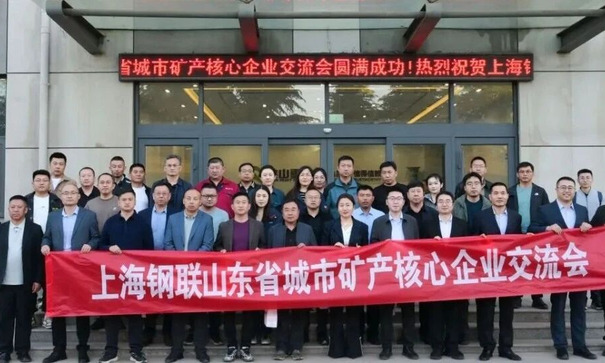
On 28 April 2025 the JISAN plant in Yantai hosted a meeting of the Shandong urban-mining supply chain: steel mills, scrap processors, end-of-life vehicle dismantlers and finance firms, more than thirty companies in one room. The session was organised by Shanghai Mysteel, co-hosted by JISAN and supported by Zhongtai Futures.
It was an unusual mix for a factory floor. The people who cut scrap, the people who buy it and the people who hedge its price spent a day on the same agenda, which is a fair description of how the recycling business now works: the margin no longer sits in any single step.
The agenda
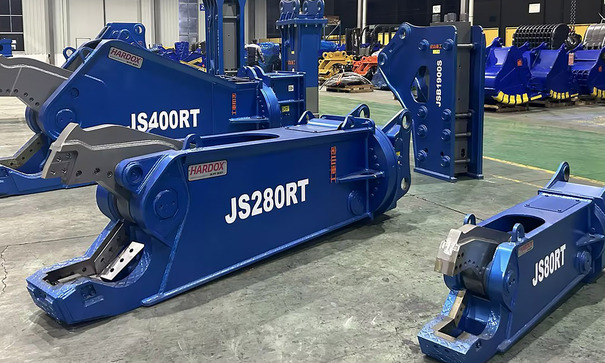
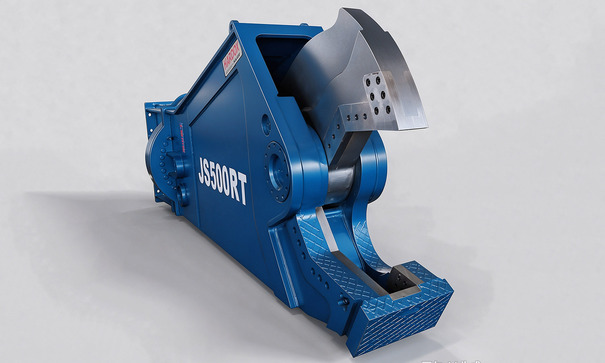
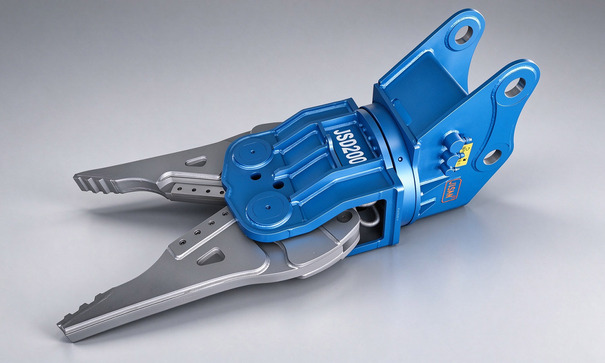
• Equipment practice in recycling yards — what actually gets used, at what duty cycle, and where the bottlenecks are.
• Financial derivatives for recycled-steel suppliers — hedging the spread between purchase and sale, presented by Wei Sihao of Zhongtai Futures‘ Jinan branch.
• Q1 2025 steel market review and Q2 outlook — Jin Xionglin, senior analyst at Mysteel.
• Q1 2025 scrap market review and Q2 outlook — Jiang Runqin, analyst at Mysteel.
Why a scrap yard should care about the steel curve
When the spread between bought scrap and sold material is wide, a yard can afford to be inefficient: transport material to a fixed shear, wait for the torch, run two shifts of handling. When the spread narrows — which is where the market has been for most of the last two years — throughput per hour becomes the only lever left, and throughput is an equipment question, not a commercial one.
Three things follow, and they came up repeatedly in the discussion:
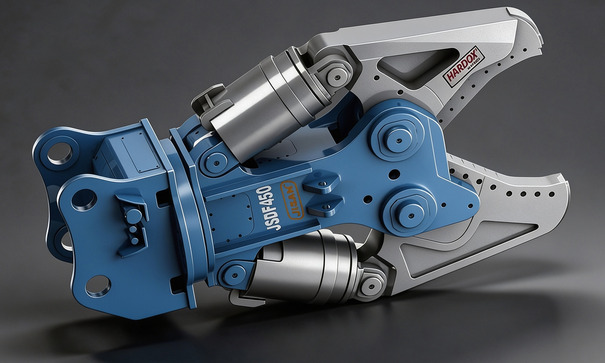
• Cut where the material lies. A shear on a carrier moves to the pile. Transporting unprepared scrap to a fixed machine costs fuel, handling and yard space, and the cost is invisible until someone adds it up per tonne.
• Downtime is the real operating cost. A yard running one primary shear loses the whole shift when that shear is down. The argument for a second attachment, or for holding wear parts on site, is arithmetic rather than caution.
• Cold cutting changes the permit picture. Shear work produces no flame, no fume and no hot-work permit, which matters in yards inside city limits.
The equipment side
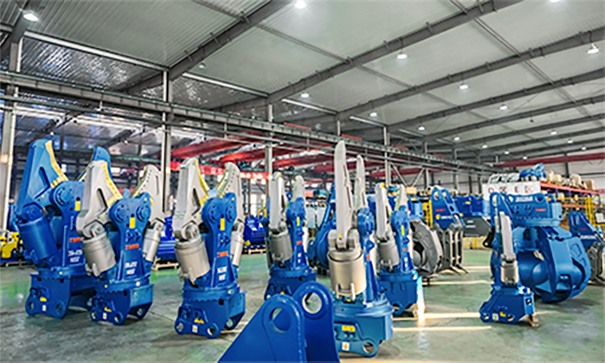
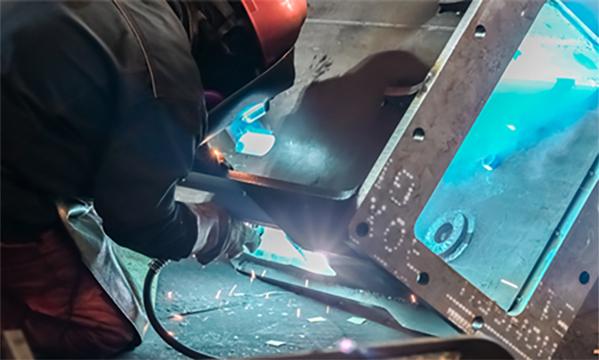
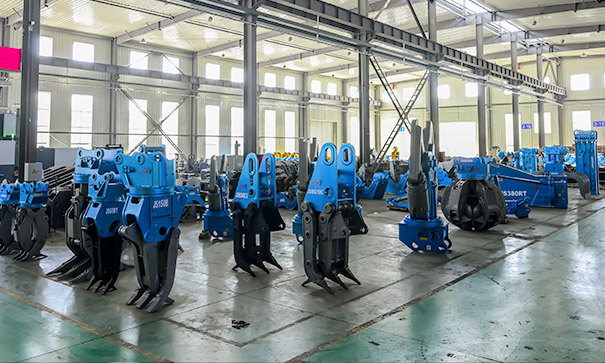
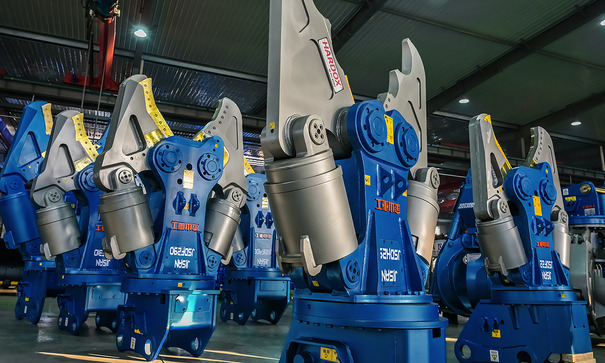
JISAN chairman Yang Shaojing opened the session with the company‘s product range and its history in scrap, vehicle dismantling and demolition, and the delegation walked the assembly line afterwards: plate cutting, welding, stress relief, machining of pivot bores after welding, assembly and load testing under the same roof.
The point being made was not capacity but control. An attachment that fails in a yard is usually a weld, a bore or a hydraulic seal, and each of those is decided by a process step. Having all of the steps in one plant means one party is accountable for the result.
What the day actually produced
Three observations worth carrying away, for anyone running a yard in a market like this one:
• Yards are consolidating. Fewer sites, more tonnes per site, and equipment specified for continuous duty rather than for occasional work.
• Finance is now part of the purchase decision. Hedging, inventory financing and payment terms change what a yard can afford to buy, and when.
• Service access beats price when a yard runs a single shear. The question asked most often at the end of the day was not about cutting force; it was about how fast a wear part arrives.
Running a yard with one primary shear? Tell us the material mix and the tonnes per shift, and we will size the shear for continuous duty and quote the wear-part kit that should sit on your shelf.