
Why the 45 tonne class needs a shear of its own
Most dual-cylinder shear ranges stop around the 40 tonne carrier and then offer "custom build" above it. That gap is where ship-breaking yards, heavy vehicle dismantlers and the larger scrap yards actually work, and it is not a gap that a bigger cylinder bolts onto: the jaw opening, the frame stiffness and the hydraulic package all have to be redesigned together.
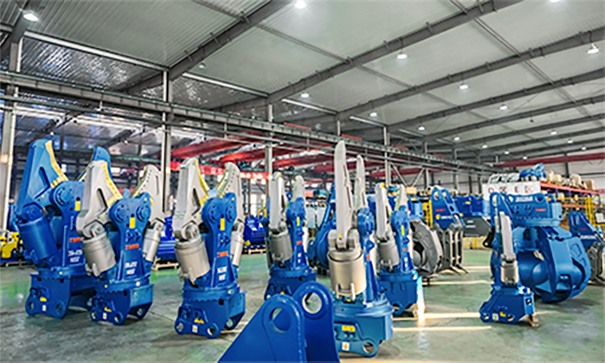
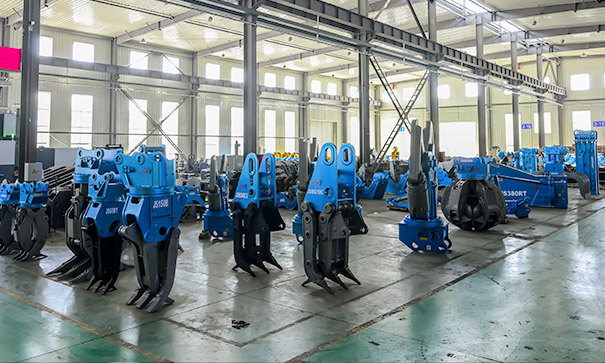
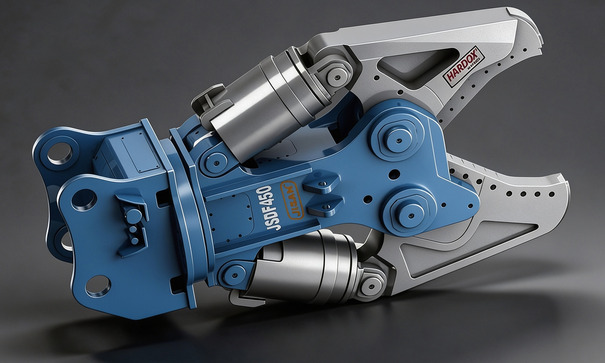
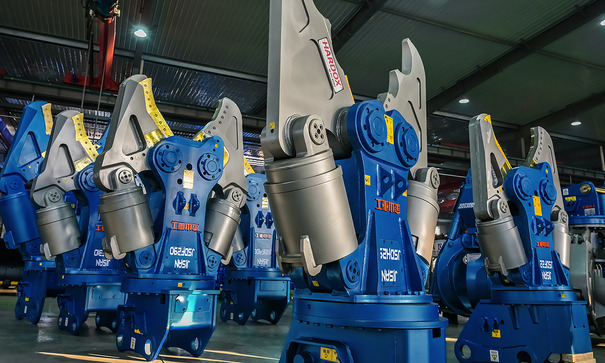
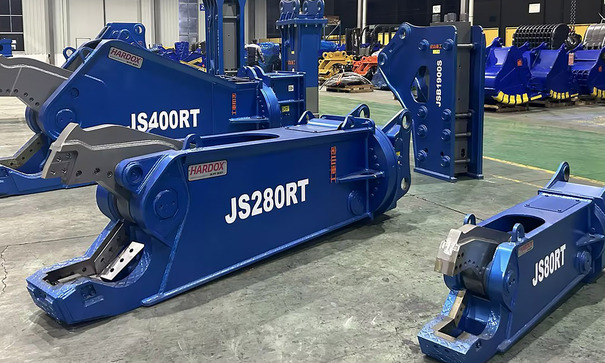
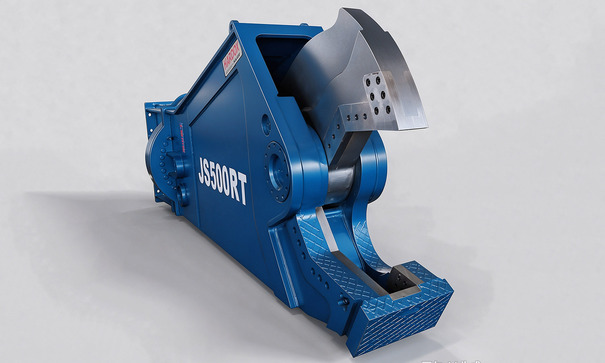
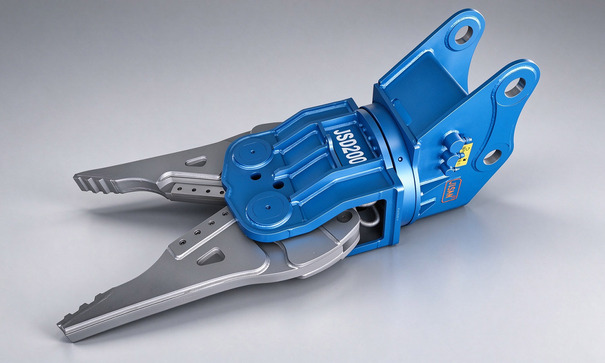
JISAN builds two shears for that band. The 550 is specified for 45 to 55 tonne carriers with an opening of 870 mm. The 650 is for 55 tonnes and above with an opening of 940 mm. Both are in production, not in development.
What the extra opening buys
Jaw opening is the number that decides what you can feed the machine without preparing it first.
• Hull and structural steel. A 940 mm opening takes a section that an 800 mm shear would need two bites at, and every extra bite is a cycle.
• Engine blocks and drivetrain. The 550 closes around a complete block; the alternative is cutting it in half with a torch first, which is the torch work the shear was bought to remove.
• Mixed yard material. In a yard that takes whatever arrives, the largest single item sets the machine‘s real capacity. Opening is what keeps that item from becoming a two-machine job.
Where the size is decided, and where it is not
A larger shear is not simply a scaled drawing. Three things change:
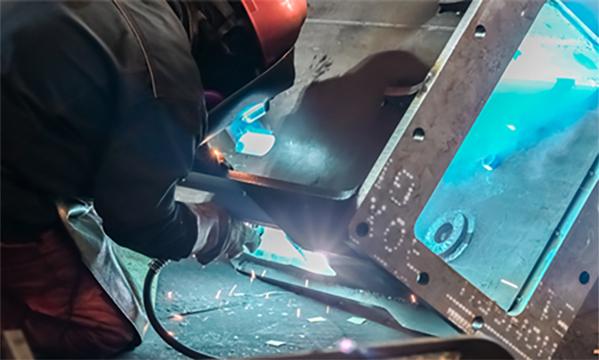
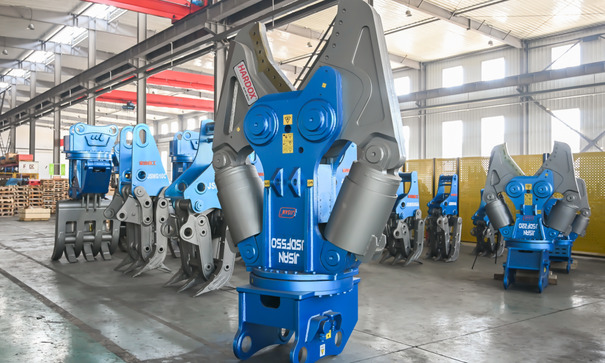
• Frame stiffness. At this size the load path runs through the frame rather than through the blade carrier, and a frame that flexes under continuous load loses blade alignment long before it cracks. JISAN welds the body and then machines it as one piece on a gantry machining centre, so the bores are cut after the weld has finished moving, not before.
• Plate. Jaws and blades are genuine SSAB Hardox. On hull plate of 20 mm and above, wear is the operating cost, and the difference between 400 and 500 grade shows up as blade changes per year rather than as purchase price.
• Hydraulics. Twin cylinders with a synchronising linkage, honed cylinder tubes and imported seals. At 55 tonnes the cylinders are the most expensive thing on the machine and the most exposed.
What to check before you order one
The mistakes at this size are almost always on the carrier side, not the attachment side:
• Lift capacity at reach. A 650 weighs enough that on a long boom it costs lifting capacity at the tip. A shear that cannot be positioned accurately is a shear that cuts slowly, whatever its closing force.
• Hydraulic flow and pressure. Confirm from the machine‘s test report, not from the brochure. A shear set for a lower flow will be slow; one set for higher pressure than the carrier delivers will feel weak and be blamed for it.
• Pin dimensions and bracket. The bracket is machined to the carrier, not to a standard. Send the pin diameters and the dipper geometry with the order.
• Material mix. A yard that cuts mostly thin sheet does not need a 650; a yard that cuts hull plate with a 450 is buying blade changes.
The honest limit
A 650 on a 45 tonne carrier is not a cutting problem, it is a positioning problem: the machine will cut, but it will not place the jaw where the operator wants it. Size the shear to the carrier first and to the largest item in the yard second. If those two answers disagree, the yard needs a second machine rather than a bigger attachment.
Sizing a shear for the 45 to 65 tonne class? Send the carrier model, the pin diameters and the flow and pressure from the hydraulic test report, plus the thickest section you cut in a normal week. We will confirm which of the two sizes fits, and what the bracket will be machined to.