New Excavator Attachments Unveiled, Unlocking New Levels of Operational Efficiency
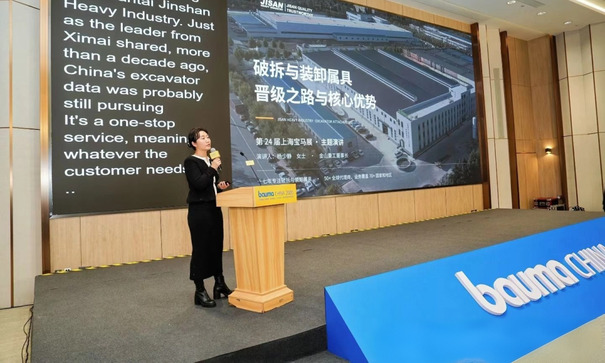
Deeply rooted in the field of excavator front-end demolition and material handling attachments, Jinshan Heavy Industry firmly believes: great products originate from demand, and superior quality is forged through perseverance.
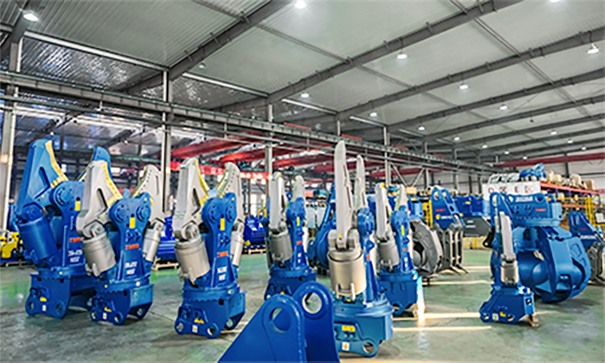
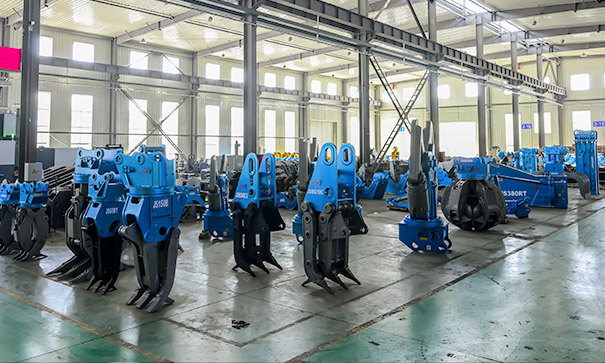
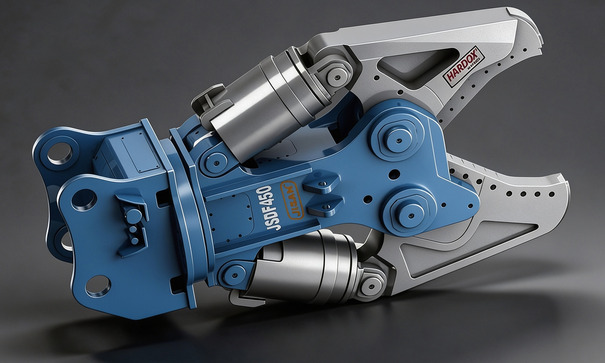
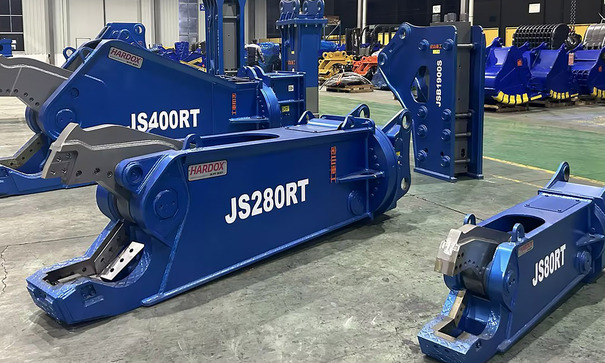
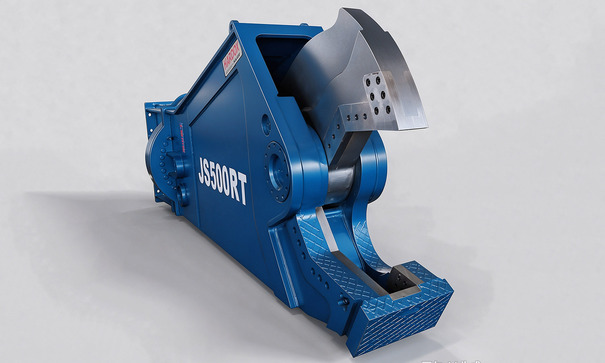
From dual-cylinder heavy-duty shears, eagle shears, and scrap car dismantling equipment, to various hydraulic grapples, mechanical claws, clamps, vibrating compactors, hydraulic breakers, quick couplers, and excavator buckets, we continuously iterate and refine our products to address the core pain points of engineering operations.
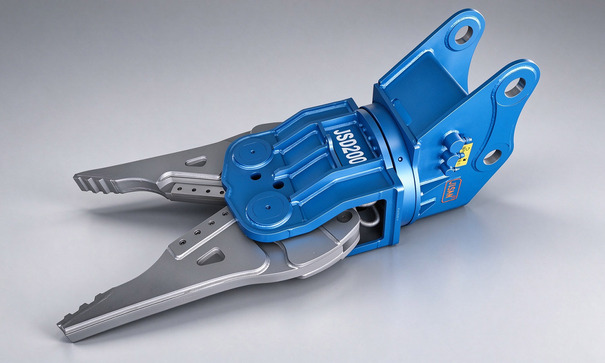
Recently, Jinshan Heavy Industry proudly launches five new star products: the Multi-Lock Coupler, 150-I/400 Clamp, Five-Finger Clamp, 80ACR Dual-Link Log Grapple, and 220CD Dual-Cylinder Scrap Grapple. This quintet of new arrivals brings more precise compatibility, robust quality, and high-efficiency performance to crack operational challenges, helping clients reduce costs and boost efficiency, continuing our legendary legacy in the attachment industry!
01 Driven by Demand, New Products Tackle Operational Pain Points
Jinshan understands that in engineering operations, "poor compatibility, low efficiency, and high wear-and-tear" are the core frustrations for our clients: couplers disconnecting unexpectedly, log grapples failing to secure materials, and scrap grapples lacking the power to meet project deadlines... Based on these insights, our new products deliver targeted solutions that perfectly fit real-world applications.
Jinshan Multi-Lock Coupler
Equipped with multiple locking positions to provide multi-layered safety, effectively preventing accidental disconnections caused by vibration or impact during operation. Features automatic locking without the need for manual safety pin insertion, ensuring secure connections and easy, safe detachment. Compatible with various excavator attachments, it significantly enhances operational safety and stability while reducing downtime.
80ACR Dual-Link Log Grapple
Optimized for grabbing scenarios involving wood and other materials. The dual-link structure ensures strong synchronization and flexible operation. With 360° free rotation, it accurately adjusts grabbing angles, making it suitable for narrow spaces. It balances efficiency and convenience, drastically reducing labor costs.
150-I/400 Clamp & Five-Finger Clamp
Compatible with excavators of various tonnages. A large opening width combined with strong clamping force ensures a firm, slip-free grip. The Five-Finger Clamp mimics the human palm structure with five claws, offering precise control. It can securely hold large materials while gently grabbing small items to avoid damage. Adaptable to landscaping, building materials, waste recycling, and more, it achieves "one machine, multiple uses," breaking the limitations of single-scenario operations.
220CD Dual-Cylinder Scrap Grapple
Specifically designed for heavy materials like scrap steel and iron. Powered by dual cylinders, it delivers strong and even clamping force. The claw head is made of high-hardness alloy steel, offering wear and impact resistance to handle 24/7 high-intensity operations. It significantly improves the efficiency of heavy material grabbing, solving the pain points of insufficient power and easy wear associated with traditional scrap grapples.
02 Safety Upgraded, Building a "Safety Net" for Demolition Operations
From classic products to brand-new iterations, we have never stopped upgrading. Building on the original quality DNA, our new products integrate market feedback and technological innovations to achieve comprehensive optimization. Every detail highlights our craftsmanship.
Structural Design Optimization
The new products feature a modular design compatible with mainstream excavator tonnages on the market. No additional equipment modification is required, making disassembly and assembly convenient and reducing client investment costs.
Comprehensive Performance Upgrade
The upgraded hydraulic control system ensures smooth, lag-free operation and lower energy consumption. It also enhances equipment flexibility and stability, adapting to complex operating environments.
Multi-Scenario Adaptability
Covering multiple scenarios such as scrap steel recycling, wood processing, construction, and landscaping, meeting the personalized needs of different clients and truly realizing "one product, multiple scenarios."
We always take "customer needs" as the core direction of our iterations, collecting operational feedback from thousands of clients to optimize product structure and improve performance parameters. This ensures that every new product accurately matches operational needs, giving clients peace of mind and high efficiency.
03 Superior Quality, Upholding Craftsmanship to Build Reputation
Strict Quality Standards, Full-Process Control from Source to Factory
As a professional attachment manufacturer, quality is our foundation. All new products in this launch continue our strict quality standards. From raw material procurement to production and delivery, every step is strictly inspected and tested to eliminate any quality hazards.
New products are made of high-strength wear-resistant steel plates and high-toughness alloy steel, forged through special heat treatment to enhance wear resistance, impact resistance, and service life.
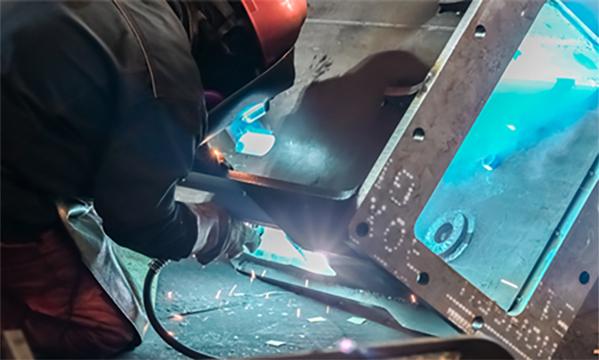
The hydraulic system uses top-tier international sealing components to eliminate oil leakage risks. Welds undergo non-destructive testing to ensure structural stability.
Before leaving the factory, every new machine undergoes rigorous load testing and working condition simulations to ensure stable reliability even in high-intensity operations.
Reduce later maintenance costs and truly achieve "one investment, long-term benefits," winning customer trust with superior quality.
04 Seventeen Years of Unchanged Original Intention, Empowering Efficient Engineering Operations
From the deep cultivation of classic products to the iterative upgrade of new ones, Jinshan always focuses on "adapting to scenarios, solving pain points, and empowering enterprises" as our core. We manufacture high-quality attachment products that fit customer needs and are committed to providing clients with comprehensive operational solutions.
The launch of these five new products is not only a demonstration of Jinshan‘s technical strength but also the fulfillment of our commitment to "empowering customers and creating value together." Whether you are engaged in scrap recycling, municipal construction, port terminals, or wood processing; regardless of your excavator‘s tonnage or specific operational needs, Jinshan can match you with exclusive attachments.