
A dismantling yard in Shandong processes end-of-life vehicles with four machines and one operator sequence. From the moment the car is clamped to the moment the shell is flat and the drivetrain is cut free, the clock runs about seven minutes.
That number is not a lab figure. It is the yard‘s own production average, and it is the reason the same site reduced headcount on the dismantling line by roughly 60% without reducing throughput.
Where the time actually goes
Manual dismantling is slow for a structural reason: the work is sequential and every step depends on a tool change. Drain fluids, remove the battery, cut the doors, pull the harness, separate the engine, cut the frame, compress the body. Two to three hours per vehicle is typical, and most of that is not cutting — it is handling, repositioning and waiting.
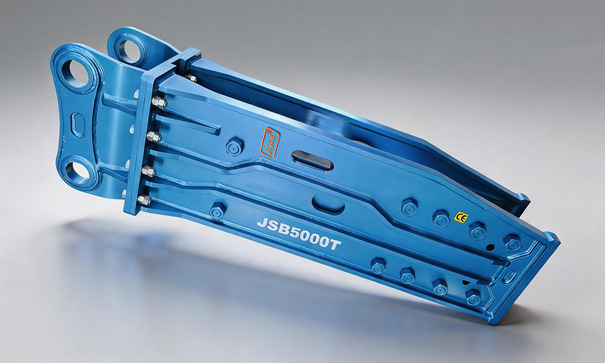
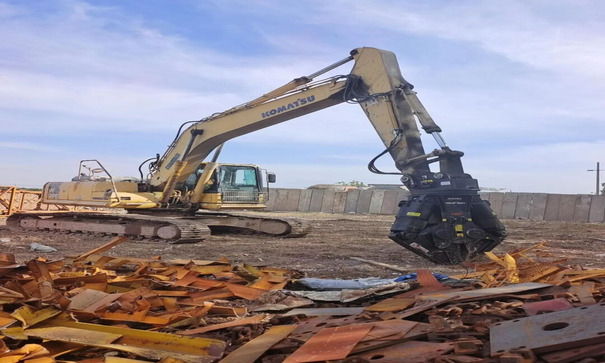
An attachment-based line removes the repositioning. Four tools, one carrier, one continuous flow:
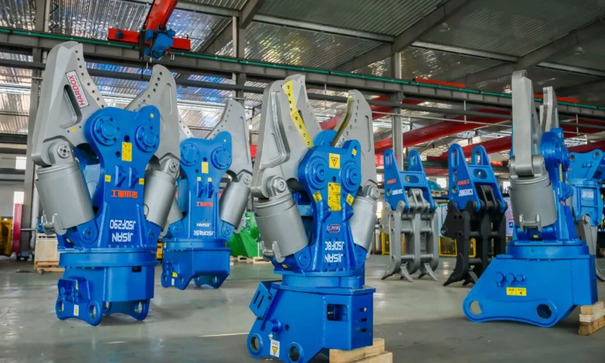
• Dismantling machine with a dismantling clamp — large-jaw geometry that grabs a body shell and peels doors, bonnet, seats and harness without flame.
• Press frame — compresses the stripped shell so it stacks and transports at a fraction of its original volume.
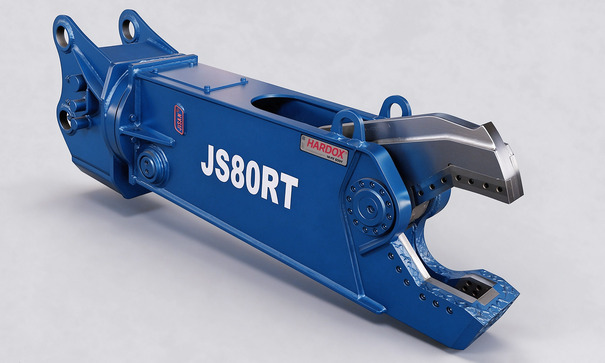
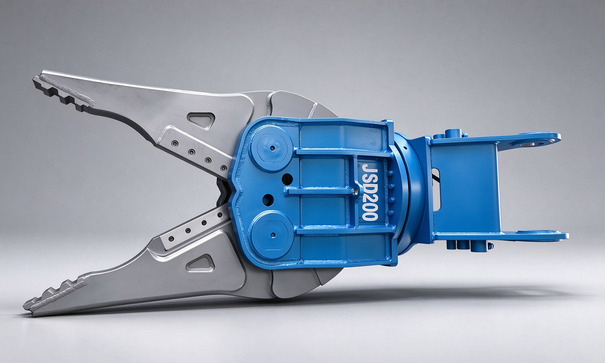
• Dual-cylinder power shear — cuts chassis rails, 20 mm plate and high-strength alloy structure that a clamp cannot bite through.
• Eagle shear — where a cleaner, lower-loss cut is needed on thinner sections and mixed material.
Why no flame matters more than it used to
Thermal cutting is still common, and it is increasingly the constraint rather than the solution. Open flame means fume extraction, fire watch, hot-work permits and insurance exposure; in many jurisdictions it also means a permit condition that caps daily volume. Mechanical cutting removes that ceiling.
There is a second, quieter advantage: a shear produces graded, sized scrap. A burned chassis produces material that mills discount. Yards running mechanical dismantling typically see a better price per tonne on the ferrous fraction, because the yard is selling cut scrap rather than contaminated plate.
The three specifications that decide whether it works
Not every attachment survives this duty cycle. Three specifications separate a tool that lasts from one that cracks in the first season.
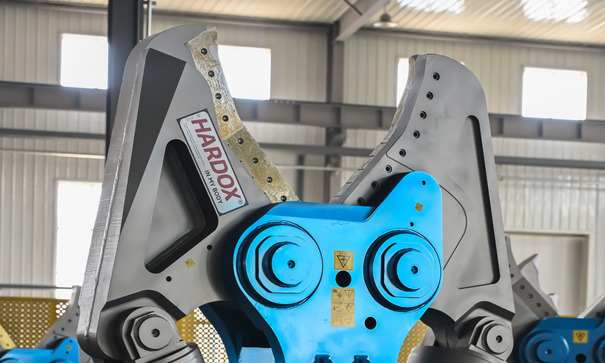
1. Jaw material. JISAN shear jaws and wear plates are cut from SSAB Hardox plate, certified under the Hardox In My Body programme. In continuous ELV work, jaw hardness is the difference between re-facing once a year and re-facing once a quarter.
2. Bore alignment after welding. Shear brackets are usually fabricated in sections and welded afterwards; the weld pulls the bores out of line, and the pin starts working loose. JISAN welds first and machines the bracket as one piece, so alignment is set after the heat is gone.
3. Hydraulic headroom. A 7-minute cycle is a high-frequency cycle. Cylinders use honed tube and imported NOK seals, with a differential acceleration valve that speeds the unloaded stroke by close to 50% — which is where most of the cycle-time gain actually comes from.
What it means for a yard‘s numbers
For a mid-size operator, the shift is usually visible in three places: vehicles processed per shift, labour cost per vehicle, and the price received for the ferrous fraction. One site running the full sequence reports up to 70 vehicles per shift at peak, against a manual baseline of a dozen or so.
The equipment also has to fit the carrier fleet. All four tools mount on standard excavators in the 20–55 t range with a quick coupler, so a yard can add capacity without buying a dedicated machine.
Next step
Tell us your carrier tonnage, the vehicle mix you process and your current cycle time. We will lay out the tool sequence, shear force requirement and expected throughput — and be honest about where a shear is not the right answer.
JISAN Heavy Industry manufactures demolition shears, crushers, grapples and dismantling attachments in Yantai, China, and supplies customers in more than 50 countries.