
Experienced operators diagnose a machine by ear before anyone reaches for a gauge. The skill is not mystical — it is pattern recognition against a small set of mechanical causes, and it can be learned in the order below.
One caveat first: a working site is loud, and noise carries through the structure. Diagnose at low speed, in a clear area, with the machine at operating temperature.
Driveline noise that changes with speed
A humming or whining noise that rises with road speed, becoming a knock in turns. This pattern points to the differential: excessive backlash between the planetary gears and the side gears, worn or broken tooth faces, or a cracked gear. The repair is to re-shim to the correct backlash or replace the damaged gear set. Continuing to run it converts a shim job into a differential rebuild.
A repetitive knock in low-speed turns that disappears at higher speed. This is usually the universal joint — worn or broken trunnion journals. The joint is a replacement item, not a repair item.
A low moan under load that changes character in turns. Tooth-surface scuffing. Light scuffing can be dressed with a stone or file; heavy scuffing means the gear set is finished.
Noise present in both straight running and turning, from the bevel gear area. Incorrect or uneven meshing clearance. This one needs the backlash measured rather than adjusted by ear.
An irregular knock that appears when speed fluctuates and vanishes when speed is steady. Gear meshing under changing load. Often benign, but worth checking the mounting and the lubricant level before dismissing it.
Noise that is not the driveline
Two other sources are frequently misdiagnosed as transmission problems:
• Track and roller noise — a rhythmic knock proportional to track speed, not engine speed. Worn track bushings or a failing roller.
• Hydraulic cavitation — a high-pitched whine that appears under load and changes with oil temperature. Usually a restricted suction line, a clogged filter or low oil level, and it damages the pump if left alone.
Why "deal with it later" is expensive
The common response on site is to finish the contract and fix it afterwards. That works for cosmetic noise and fails badly for the rest. Bearing and gear noise accelerates: a worn tooth face generates debris, the debris damages the next surface, and the failure moves from one component to a set.
The diagnostic value of noise is entirely in catching it early, when the repair is a seal, a shim or a bearing rather than a gear set.
The attachment end
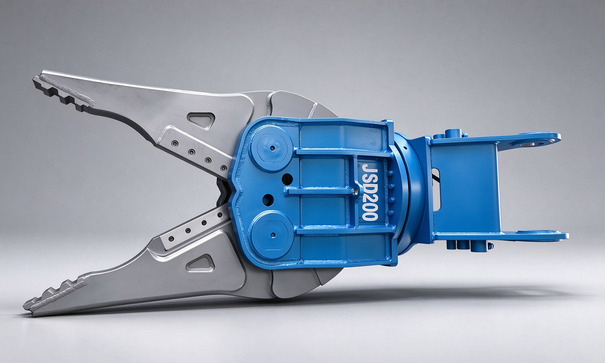
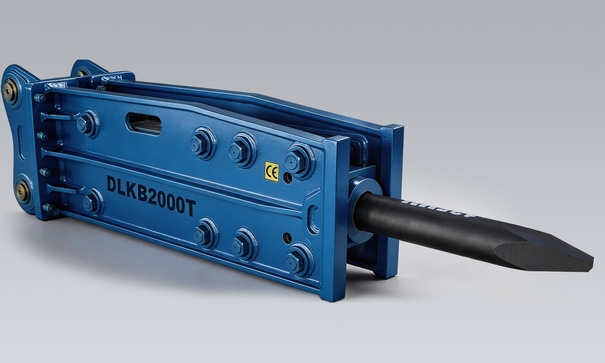
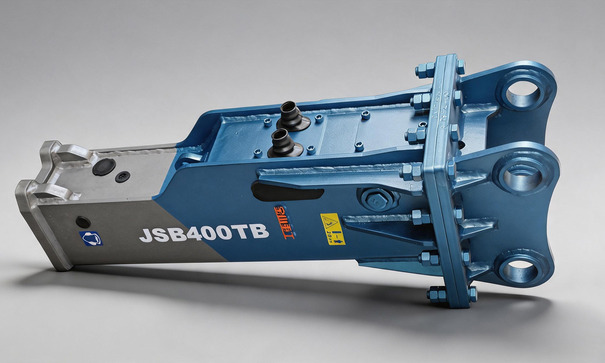
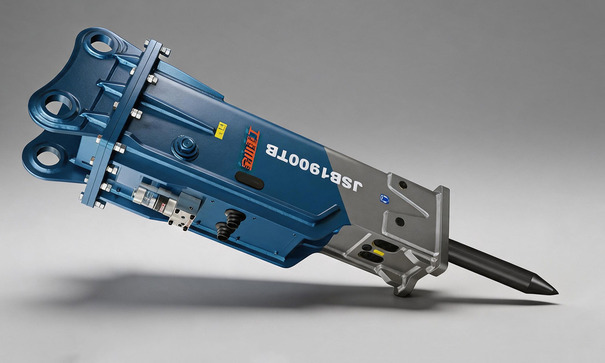
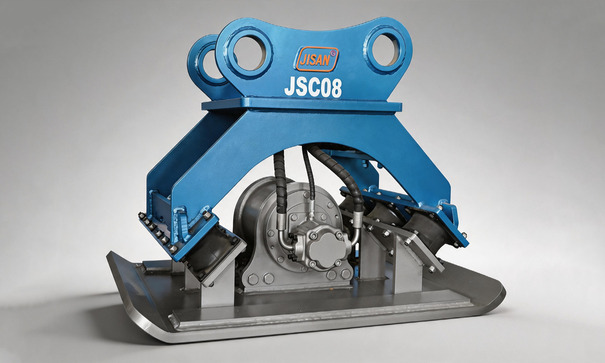
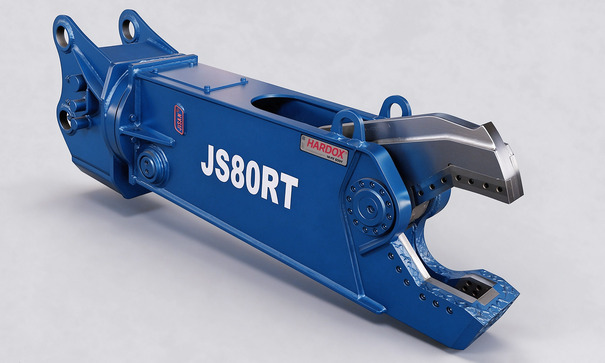
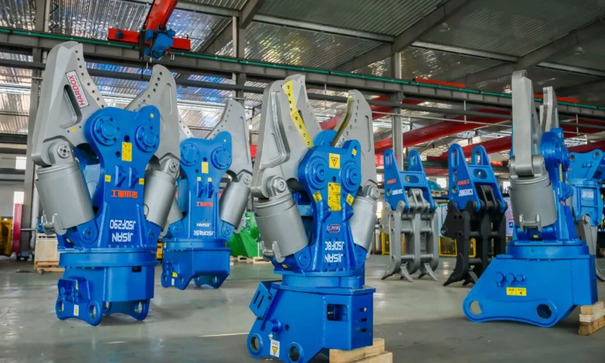
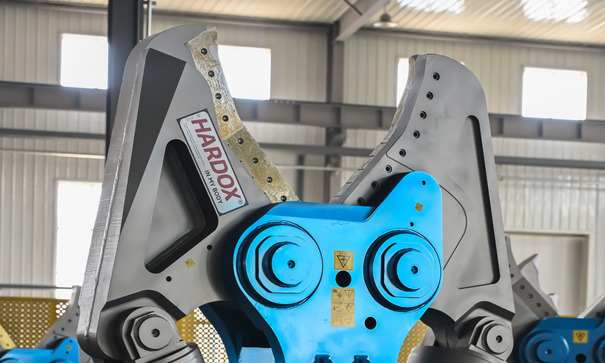
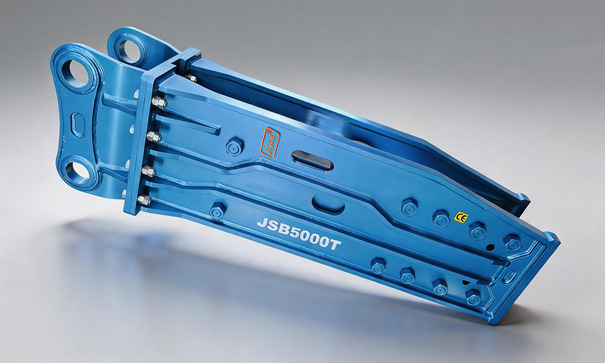
The same listening applies to the tool. A shear that knocks at the pivot has a worn bushing; a breaker that rings differently has a chisel that is not seating; a grapple that groans under load has a cylinder that is bypassing. These are cheap to fix at the knock and expensive to fix at the failure.
Servicing a mixed fleet? We can supply the wear-part list and inspection points for each attachment model, so noise is caught at the service interval rather than on the job.