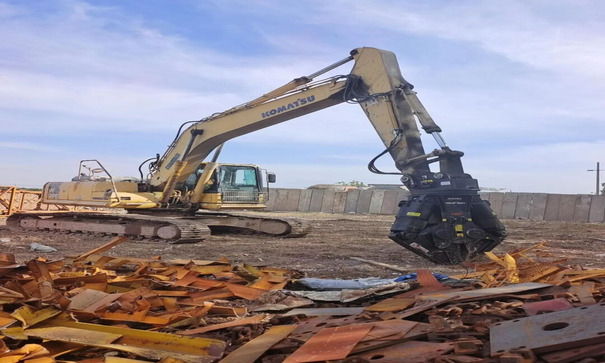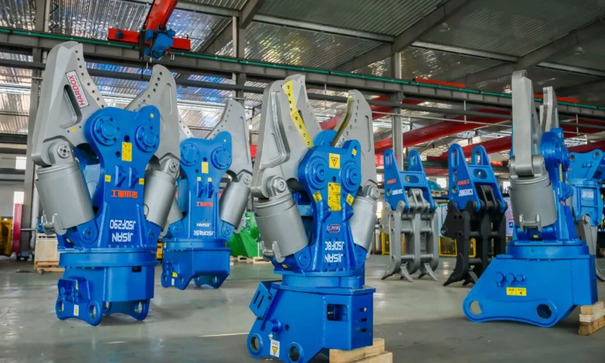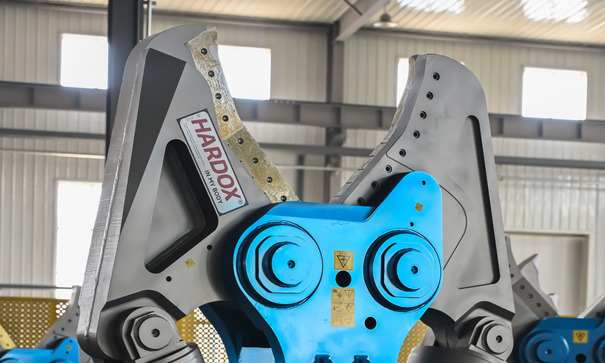

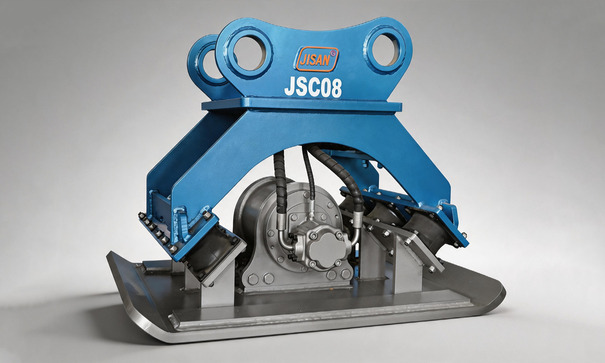
Dynamic compaction — dropping a heavy tamper from height to densify loose ground — is simple in principle and unforgiving in practice. The equipment is a crawler crane or an excavator-mounted compactor, and the variables are the drop height, the number of passes and the grid. Get those right and the ground improves measurably; get them wrong and the site looks compacted while the bearing capacity has barely moved.
Clear the zone before anything drops
The tamper does not stay where it is aimed. Impact throws material, and the crane‘s boom can swing. The working zone needs to be clear of people and plant before the first drop, with a perimeter marked beyond the throw distance and warning signage at the boundary.
On a site with other trades working, this is the part that gets negotiated away first. It should not be. A tamper weighing several tonnes falling from 10-15 m is not a hazard that can be managed by vigilance alone.
Weather matters more than most specifications admit
Compaction in rain does not simply work less well — it can work against you. Water in the pores raises the pore pressure under impact, and the ground deforms rather than densifies. The result is a surface that reads firm and a layer beneath that is still loose.
The practical rule: do not run the compactor in sustained rain, and do not resume immediately after it. Allow the surface to drain, and check the moisture condition before restarting the grid.
The machine side
Dust is the main enemy of the equipment, and it is generated by the work itself.
• Clean the air intake and the cooling pack at the end of every shift, not weekly.
• Inspect the rope, the release mechanism and the guide on the specified interval; these are the parts that fail under cyclic load.
• Keep the tamper face flat. A worn or dished face transfers impact unevenly and leaves the grid with soft spots between drops.
The operator side
Three habits separate a productive compaction programme from a slow one:
• Hold the grid. Moving the drop points to "fill in" a soft spot breaks the pattern and leaves the rest of the area under-compacted.
• Count passes, do not estimate them. Bearing capacity comes from the number of energy applications, not from time spent on site.
• Watch the machine, not just the ground. A change in the sound of the drop or in the rebound usually indicates the ground has reached refusal in that spot — or that something in the release mechanism is binding.
Verification
Compaction is one of the few ground improvement methods where the result cannot be judged by eye. Plate load tests or dynamic penetration tests at the specified grid points are what convert "it looks compacted" into a number a structural engineer can sign against.
Specifying compaction equipment for a site? Tell us the ground condition, the target depth of improvement and the carrier available; we will match the compactor size and the drop height to the requirement.